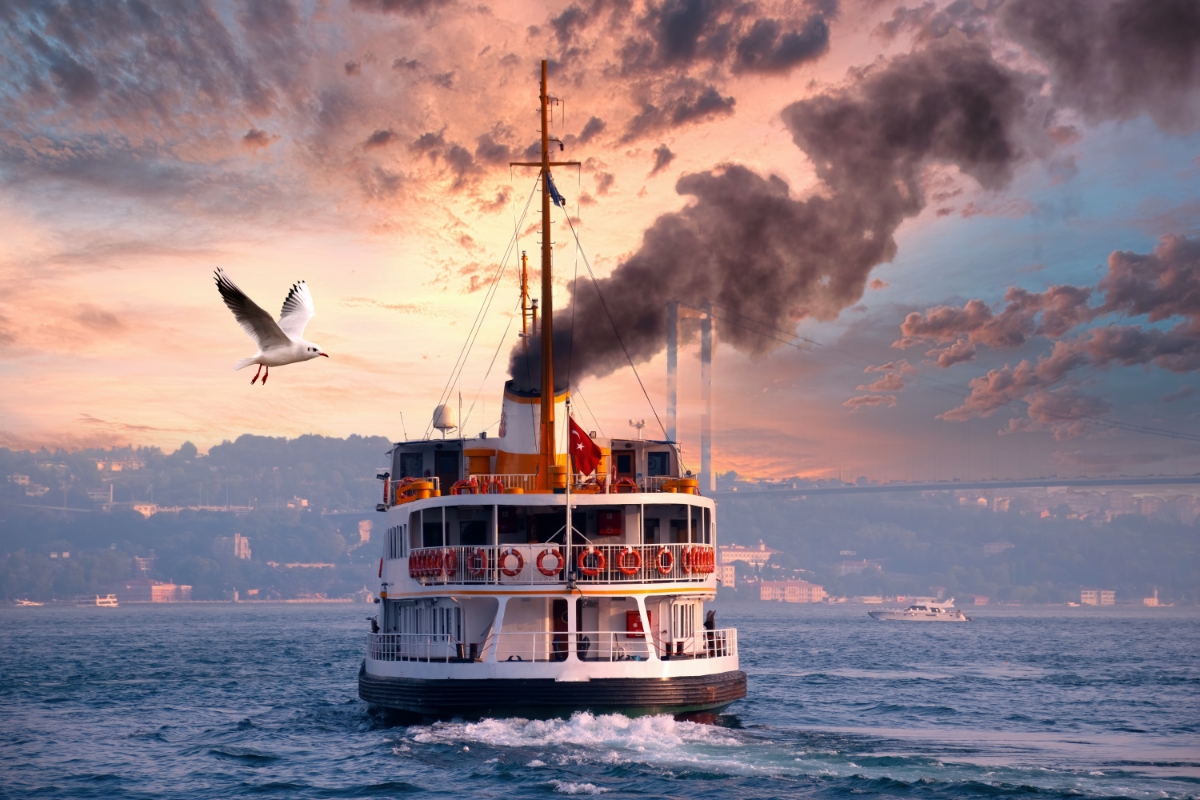
Sometimes the biggest environmental problems are the ones right in front of us that we’ve learned to ignore. You drive past the harbor, maybe grab lunch by the water, watch the ferries come and go. The low rumble of diesel engines becomes background noise. The faint smell of exhaust just part of the waterfront experience.
But here’s what most people don’t know: those boats are pumping out pollution at rates that would shock anyone who actually looked at the numbers.
Maria Andrade looked at the numbers. After spending more than twenty years raising five children and working as a licensed real estate professional, she did something unexpected. She founded Harbor Current Foundation Inc. with one clear mission: replace diesel-powered harbor vessels with electric alternatives.
Not someday. Now.
“The time is now and the solutions are here to make the difference,” Andrade says. She’s not theorizing or planning. She’s asking for $10 million to put electric ferries and water taxis on the water in four major cities: Miami, Annapolis, Charleston, and Boston.

The Numbers Everyone Ignores
The U.S. Environmental Protection Agency (EPA) says marine vessels account for nearly 30% of total port emissions. Read that again. Nearly a third of all the pollution coming from our ports is from the boats themselves.
And who breathes that air every single day? The people living closest to the water. Low-income neighborhoods, working families, communities that have been there for generations. Higher asthma rates. More respiratory illness. Cardiovascular disease. It’s all documented, all connected to diesel exhaust, and mostly invisible to everyone else.
Maria Andrade spent years guiding families through transitions, understanding how communities adapt and what it takes to build something that lasts. She knows harbor communities. She’s seen what the pollution does.
This isn’t some outsider showing up with grand ideas. This is someone who built a life around bringing people together and decided it was time to actually fix something.
What $10 Million Actually Buys
Harbor Current Foundation has a specific plan for that money. Nothing vague, nothing aspirational. With $2.5 million allocated per harbor, the funding covers vessel acquisition or retrofitting, charging infrastructure installation, research and feasibility studies tailored to each city’s unique setup, community education programs, and operational costs. The budget includes contingency funds for unexpected challenges that come with pioneering new technology in diverse marine environments.
The goal is simple: get electric vessels operating in these four harbors within 18 months and cut emissions by 25 to 40 percent in those specific locations.
They’re planning to install at least four harbor charging stations, host six educational events to bring communities and harbor authorities on board, and create what they’re calling a “Clean Harbor Replication Toolkit” so other cities can copy what works without starting from scratch.
It’s practical in a way environmental initiatives often aren’t. No massive infrastructure overhaul. No waiting for federal policy to change. Just prove it works in four different types of harbors and let the results speak.
Why These Cities Matter
Miami faces immediate climate pressure as a major international port dealing with sea-level rise. Annapolis offers a smaller, historic harbor where changes can happen faster and serve as a proof of concept. Charleston’s tourism economy means clean transportation could become a selling point. Boston already has established ferry systems ready to make the switch.
Each city represents a different challenge, which is the point. If electric vessels work in all four environments, they’ll work almost anywhere.
The Technical Side Nobody Wants to Hear About (But Should)
What separates Harbor Current Foundation from typical environmental nonprofits is that Maria Andrade, CEO and Founder, knows how to build consensus. Years of working with families through complex transitions taught her how to bring different perspectives together and move people toward shared goals. She’s not guessing about what these systems need. She’s bringing together the engineers, policymakers, investors, and community leaders who actually know.
“Empathy is the greatest renewable resource we have. It fuels collaboration, courage, and change,” Andrade says.
The foundation isn’t just swapping diesel engines for electric ones. They’re designing charging infrastructure that can integrate renewable power sources, building systems resilient enough to handle storm surges and rising seas, partnering with the harbor authorities and municipal agencies that will actually operate these vessels long-term.
There’s also basic economics at play. Electric vessels cost less to fuel and maintain. Harbor operators save money over time. Cities attract tourists and residents who care about sustainability. Jobs get created in manufacturing and infrastructure installation. It’s not charity, it’s a better business model that happens to be cleaner.
The Reality Check
Harbor Current Foundation Inc. launched this year with a clear roadmap: 18 months to get pilot vessels in the water, two years to demonstrate the full model across four cities, then national replication.
But the vision extends well beyond American harbors. Maria Andrade’s mission is to electrify the waterways of the Americas by 2040, inspiring nations worldwide to join the movement toward cleaner seas. The four U.S. cities aren’t the endgame. They’re proof of concept for a global shift in maritime transportation.
The foundation may be new, but the leadership behind it isn’t. Andrade’s ability to unite diverse perspectives and turn collaboration into action gives the initiative credibility that most environmental startups lack. The $10 million budget is specific and detailed, with 74% going directly to vessels and infrastructure rather than overhead.
Federal clean energy incentives are available now. Coastal cities need emissions solutions now. The global maritime industry is already moving toward electrification. Harbor Current Foundation Inc. isn’t proposing some untested theory. They’re deploying existing technology in a structured, measurable way.
What sets this apart is the specificity. Not vague goals about “sustainability” but concrete targets: four charging stations, two pilot vessels, 25 to 40 percent emission reductions in specific harbors. In two years, the results will be measurable. Either electric vessels will be operating in Miami, Boston, Charleston, and Annapolis, or they won’t.
If it works, every coastal city in America, and beyond, gets a proven blueprint they can follow.
Making the Invisible Visible
For communities living next to harbors, diesel fumes have always been part of the deal. The cost of waterfront living. Something you get used to because what choice do you have?
But maybe that’s the real story here. Not that Harbor Current Foundation has the perfect solution, but that someone finally stopped treating harbor pollution like it’s just how things are. Maria Andrade looked at a problem everyone else had learned to tune out and decided it was worth dedicating herself to fixing it.
Whether electric ferries become the norm or fade into another good idea that never quite happened, at least someone made the invisible visible. Sometimes that’s how change actually starts. Not with grand announcements or massive funding rounds, but with one person saying the quiet part out loud: this has been a problem the whole time, and we’ve all been pretending it isn’t.
Harbor communities have been breathing that air for generations. Maybe it’s about time the rest of us noticed.