





close

Business

Journey through the corridors of corporate creativity, profiling pioneers and powerhouse players. Excellence Insider encapsulates the ethos and evolution of global enterprise.

Business

Shifting Sands: 2023’s Surprise in Ideal States for Retirement

Retirement destination rankings have long been a high-stakes game of musical chairs, with states jostling each other for the top spots year after year. While in 2022, Florida was blessed with the crown, this year, it tumbled down to the 8th spot. The allure of the Sunshine State’s balmy weather does seem to lose its sheen when juxtaposed with the spiralling housing costs. A median Florida home cost a staggering $409,100 in June 2023, as per Redfin, dwarfing the average retiree’s budget.

Crowded out of the top spot, Florida has made way for a rather unexpected champion this time around – Iowa. Unlike its sun-kissed predecessor, Iowa owes its rise to the top to its affordability. Well known tips embodied in the Warren Buffet Guide to Investing are often cited as financial gospel, but when it extends to retirement plans, the tables seem to turn. Forget the bright lights and limitless entertainment options, retirees are showing us that when the chips are down, it’s good old financial stability that takes the cake.

According to comprehensive data from a recent Bankrate study, maintaining a stable and comfortable retirement in Iowa doesn’t burn a hole in your pocket, with the median home price being a mere $232,200, almost half of that in Florida. With the majority of retirees navigating life on a fixed income, it is no surprise that they are flocking to this Midwest gem, turning affordable living into a delightful reality.

Bankrate’s ranking methodology propels affordability to the driver’s seat, comprising 40 percent of the total score. The other key factors for the best states to retire include well-being (25%), health care quality and cost (20%), weather (10%), and crime rates (5%).

Surprisingly, Delaware, with national highs in health care quality and an inviting tax environment, bagged the second spot, despite ranking 31st in affordability. The state remains a fortress for retirement planners with its lower property taxes and exempted Social Security benefits.

Larry Sprung, a financial advisor and Mitlin Financial’s founder, underscored the importance of evaluating not just the present but also the future prospects of potential retirement destinations. In conversation with Bankrate, he shared that a holistic approach would provide retirees with a destination that is not just appealing today but also sustains its charm economically and contextually over the long term.

While it is essential to analyze all your cards before picking your forever home, remember, it’s about more than just numbers and ratings. Important considerations include proximity to family, access to engaging activities, and your personal preferences. Also, ensuring the place can adjust with changing times could be a winning strategy for a blissful retirement.

This retirement puzzle is a multifaceted game of balancing practicality with personal fulfilment. The take-home message, though? Embrace the investing wizard’s essence in Warren Buffet’s Guide in your march towards a future of comfortable retirement. They quite aptly remind us: while luxury may appeal, affordability rules.

read more
Business

Tightrope Time: Detroit Automakers Navigate Contract Negotiations Amid Automotive Market Uncertainty


In 2023, the Detroit automakers face a high-stakes dance within UAW union contract negotiations. Compared to 2019, the slack is severely less, with AEG CEO Patrick Anderson noting that any strike onset would have severe consequences for automakers within the week. This battle for labor-cost leverage surfaces as existing contracts with the union loom on the expiration horizon at 11:59 p.m. ET on September 14.

The union contract negotiations aren’t trivial matters, as they essentially equate to purchase orders securing labor for future vehicles, parts, and component assembly. Regarding monetary value, one could imagine an astronomical figure of $70-$80 billion across the coming four years. As the UAW prepares a procedural strike authorization vote, the stakes are high, and both sides remain alert and calculating.

These hefty labor cost figures pose a nerve-wracking conundrum for investors. Deutsche Bank has previously estimated weekly production strike implications on automaker profits, painting dire pictures of $400 to $500 million losses. For the UAW, this strike authorization is a significant power play, although not without severe financial implications. With just over $825 million in its strike fund, a weekly strike pay of roughly $75 million looms as a sizeable financial drain.

Several scenarios for the strike action exist. The most drastic and impactful of these is a simultaneous national strike across all factories, a move fraught with financial risks. An alternative and possibly less damaging strategy is targeted work stoppages at selective plants where local contract issues prevail.

The stoppage of work by approximately 150,000 UAW workers at GM, Ford, and Stellantis paints an economic woe looming on the horizon. The Anderson Economic Group warns of the sobering figure of over $5 billion in economic loss just ten days into the strike.

At the heart of the contract negotiations is a complex pay structure with UAW members currently earning roughly $18 an hour, with a four-year “grow-in” period to reach over $30 an hour. The union demands include a significant 46% wage increase, restoration of traditional pensions, cost-of-living increases, a reduction in the workweek from 40 to 32 hours, and increased retiree benefits.

If these demands are met, industry experts project that the all-in hourly labor cost for automakers may skyrocket, potentially rising from $64 to an astounding figure of over $150 per hour—an increase that significantly surpasses previous wage hikes.

The storm brews ominously as the high-stakes game plays out against a disrupted automotive industry dealing with supply chain issues due to the recent pandemic. Lower vehicle inventory levels than four years ago make the predicament even more precarious and volatile.

While successfully navigating these negotiations will be a defining moment for newly-minted UAW president Shawn Fain, the outcome will inevitably leave a lasting impact on the US automotive industry at large. Warren Buffett’s Berkshire Hathaway firm’s significant cut of its General Motors stake is an ominous sign of turbulent times ahead. As tensions rise, the conversation around the negotiation table engulfs more than just the automakers or the union, extending its tentacles into the very bedrock of the US automotive market.

read more
Business

The Value Perception! How Restaurant Chains’ Performance is Shaped by Consumers Amid Inflation


Despite decelerating inflation and burgeoning hopes for a ‘soft landing’ over a recession, the quest for value remains a colorful yarn in the tapestry of consumer demands. The dynamics of eating out are influenced by two key metrics: the amount spent per order and the frequency of customer visits. These parameters, collectively, give us a window into the performance of businesses within the industry.

In the throes of the second quarter, several restaurant companies exceeded earnings expectations, but some, such as McDonald’s and Wingstop, also trumped forecasts for their quarterly revenue and same-store sales growth. This confluence of achievements was largely elusive to others within the sector.

Strikingly, Chipotle’s burrito bowls have also emerged triumphant courtesy of their perceived value. CFO Jack Hartung reports a resurgence in low-income consumers, albeit they’re not visiting as often as before the acceleration of inflation. While Chipotle has temporarily braked its price hikes, decisions for the latter part of the year remain on hold. Wall Street analysts warn of potential downward trend in restaurant stock performance as menu prices inevitably dip in response to slowed inflation.

However, not all shared in the toast of success. Companies, including Papa John’s, Wendy’s, and Chipotle Mexican Grill, underwhelmed investors with their lackluster sales, casting long shadows on their stock performance. It appears that public perception of value is indeed a major driver behind these trends, with higher menu prices alienating some diners but leaving others undeterred. Promotions were a key factor luring some to specific restaurants, while lower-income consumers exhibited increased scrutiny on which establishments they frequent.

Successful navigation of these turbulent waters chalked out clear winners and losers within the industry. By the same token, Wingstop reported improved consumer perception of value against the backdrop of declining chicken wing costs. Anchoring this measure is foot traffic to restaurants which, by and large, has been in a slump. As price hikes take a back seat, customers are becoming more discerning about their dining choices, leading to a stark performance disparity among chains.

Varied consumer perception and discount-driven marketing have shaped the fast-food sector. While limited-time menu items aided some, they provided little solace to others suffering from weak sales. McDonald’s, with its Grimace Birthday Meal, ignited social media buzz and significantly spiked its footfall. Conversely, brands such as Popeyes, Burger King, and Firehouse Subs reported declining U.S. traffic.

Responding to the value perception, Noodles & Company lowered its prices by 3% after witnessing a sharp drop in footfall attributed to its 13% price hike the preceding year. Strategies employed by different chains indicate a shared realization that, as consumers tighten their purse strings, restaurants must foster higher footfall to boost their same-store sales.

Promotion of limited-time menu items like the Doritos Cool Ranch-flavored Papadias by Papa John’s for $7.99 gained traction and social media buzz. However, it failed to eclipse the legendary popularity of its pepperoni-stuffed crust pizza, released at $13.99 the previous year. Underlying the promotional ups and downs is the key realization that it’s not just about price tags, but the interaction of price and perceived value.

With all eyes on Wall Street, the balance remains precarious. As the chase for value continues, the survival of the fittest in the restaurant chain ecosystem will hinge on adaptability to the dynamics of consumer perception.

read more
Business

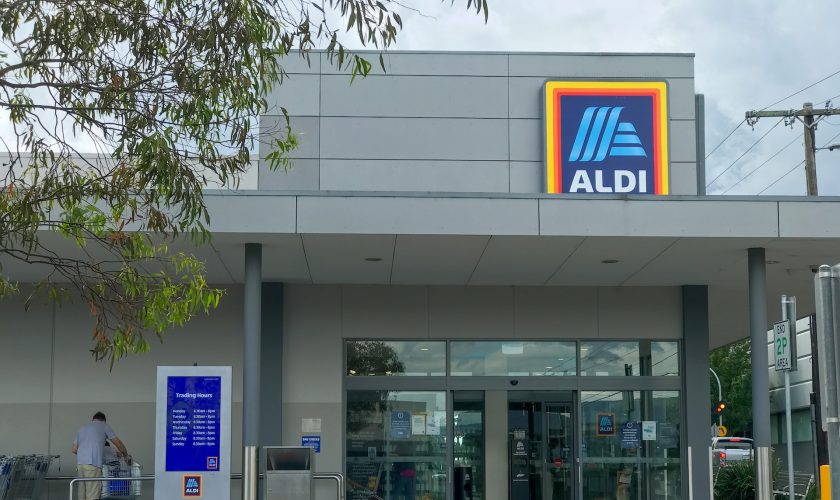
Aldi’s Acquisition of Winn-Dixie and Harveys: What it Means for the Grocery Industry

As the grocery business witnesses a seismic shift, Aldi, the Germany-based grocer, is taking bold steps, shaking up the industry in the U.S. Fending off competition from mega-corporations like Amazon and Target as they munch away at grocery market shares, Aldi has initiated a deal this week to acquire around 400 Winn-Dixie and Harveys Supermarket outlets spread across five Southern states – Florida, Alabama, Georgia, Louisiana, and Mississippi. This happens on the backdrop of Kroger’s yet-to-be-finalised $24.6 billion takeover of Albertsons.

With such strategic moves, Aldi addresses the trend of consumer frugality by providing quality goods at great pricing, thereby simplifying their shopping experience. An environment of growing cost-consciousness triggered by mounting inflation and pandemic-induced economic uncertainty adds to this strategic decision. But what does this imply for the usual patrons of these stores?

Although Aldi hasn’t revealed definitive plans as of yet, it’s clear that the target is to infuse the simplicity and efficiency of Aldi’s store operations into the acquired ones. This simplicity results from dealing predominantly in their private label products, accounting for 90% of their stocks, leading to lower costs in marketing and supply chain logistics.

While there’s no denying the continued relevance of brick-and-mortar sales, an interesting trend surfacing as the pandemic recedes is the steady rise of e-commerce in grocery shopping. Aldi US CEO, Jason Hart, predicts a future where e-commerce will grow slightly more than in-store sales. Essentially, they are witnessing equal growth in both sales’ channels now, a sign of an evolved consumer behaviour that is more flexible and open to experiment.

The e-commerce growth is tandem with the consumers’ growing interest in trying ‘alternative formats,’ like discounters such as Aldi. One aspect setting Aldi apart from its competition is its drive to offer a higher value to its consumers, which evidently is paving the way for the rise of alternative retail formats. In Hart’s words, Aldi and its ilk are disrupting the industry with this innovative approach.

Back to the significant deal, the acquisition will mean a rapid proliferation of Aldi outlets in the Southeast U.S, an area where they have already seen significant growth and success. While some of the acquired outlets will be converted into Aldi stores, many will continue to operate as Winn-Dixie and Harveys Supermarket stores.

The chief motive behind Aldi’s acquisition decision has been speed and expediency. Building new stores from scratch is a time-consuming process, more so in the face of palpable competition. With this acquisition, Aldi leapfrogs the need for organic expansion on their own and accelerates their plans.

As Aldi forges new paths and flexes its muscles in the grocery industry, the echoes will undoubtedly travel far and wide, affecting rivals. As the undercurrents of this strategic move ripple across major players like Walmart and Kroger, it will equally impact regional grocers, escalating the race in the fiercely competitive grocery market. This step serves as another testament to Aldi’s dynamic strategy that adapts to the fast-evolving market trends and consumer behaviour. And as the deal is expected to close in the first half of next year, the landscape of the grocery industry seems poised for another exciting shuffle.

read more